
Before bread, before coins, before cities, there was beer. A drink, yes, but also a fermented food with purpose: a daily ration, a ritual tool, a reason to gather.
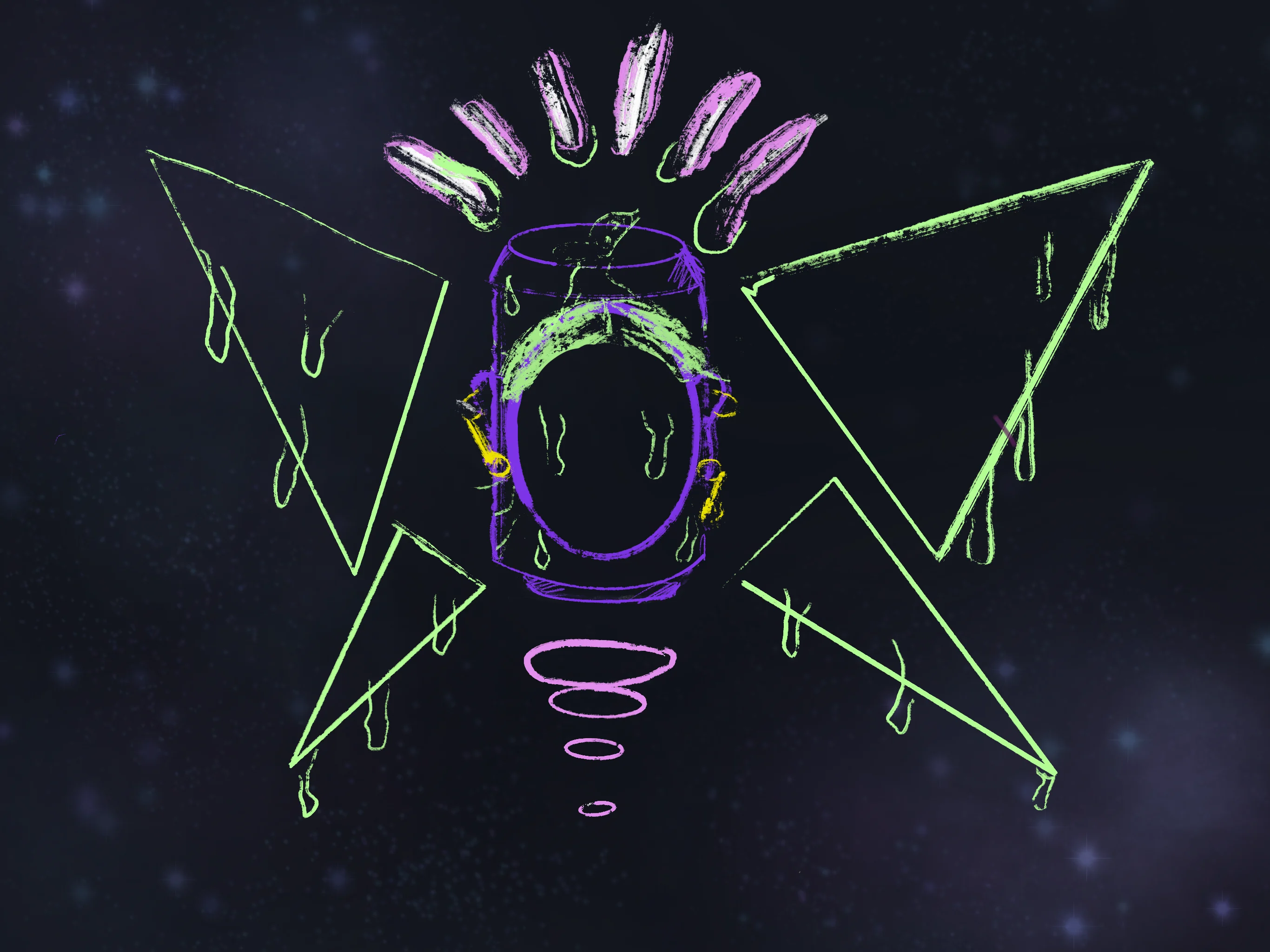
Archaeological evidence places beer's origins at least 13,000 years ago. Across cultures, it appears as more than sustenance. It is spiritual, social, symbolic. The Divine Beer Tribunal draws on this layered past. It imagines a fictional scene where a new beer god stands before a jury of deities, asking to join their pantheon.
The jury is selective. Among its members: Ninkasi, goddess of Sumerian brewing hymns Dionysus, guardian of ecstatic consumption Mbaba Mwana Waresa, Zulu deity of harvest and rain Tezcatzoncatl, Aztec god of pulque and divine disarray Aegir, Norse host of ritual feasts and ale-laden diplomacy.
These gods represent centuries of reverence toward beer, not just as celebration, but as nourishment. Beer fed pyramid builders in Egypt, was offered in sacred rites, and preserved by monks as part of a larger spiritual ecology.
But the god they meet now carries something different. It still holds grain and yeast, but somewhere in its bubbles is a memory of unrest.
The bottle remembers. It was filled not only to toast, but to throw. Its shape was repurposed in the Spanish Civil War, christened in Finland’s Winter War, and raised again during the Hungarian Uprising. It flickered through the streets of Paris in 1968, lit up nights in Northern Ireland, Cairo, Athens, and Santiago. Each time, it was held in revolt. Not all rituals are polite.
The gods do not arrive. They were never gone. Their chairs form a wide arc, some carved with stories, some worn smooth. Cups rest half-full. The silence between them is not empty but rich, the stillness before a decision.
Tezcatzoncatl leans to Dionysus. It is late. But it brings fire.
Dionysus smiles without lifting his gaze, grapevine wrapped around one wrist. Good. It has been dull.
Ninkasi sits tall. Robes woven in copper thread, skin luminous, her gaze sharp. She does not speak. Only taps the wood with her fingers.
Then the presence enters. It does not descend. It arrives from the side, quietly, like smoke curling under a doorway.
Its wings float, rigid and triangular, like signs broken loose from ancient scaffolding. Hair dense and shaped by steam and ash. Eyes veined, blinking slowly. The smell of beer, of burnt cloth, of late hours lingers around it. Ears weighed down with golden rings that clink faintly, like collected thoughts.
It speaks, not in clarity, but in drift. What escapes is something between philosophy and noise. A murmured thought half-formed. This is the drunken prophecy. It does not preach. It is offered like warm bread at a table, freely, without demand.
Aegir leans forward, sea-salted and calm, pouring another round. Ninkasi watches, unblinking. Tezcatzoncatl grins, scratching symbols into the table. Mbaba Mwana Waresa nods once, a streak of rainbow across his shoulder. Dionysus raises his glass and hums.
They see it. Not pure, not whole. But sacred in contradiction. There is no vote. The gods do not need one. They make room. Not because they agree, but because they know.
The table stays open. The tribunal remains.
And the ritual continues in every poured glass, every shared bite, every moment where nourishment and resistance meet.
