
38
torthaí laistigh de
Duine
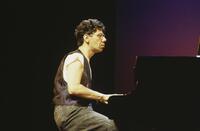 Chick Corea
Chick Corea
Ceoltóir agus cumadóir snagcheoil Meiriceánach

The funerary and everyday-use ceramics fired at a high temperature (at 1,000-1,200 °C) between the 4th and 6th centuries AD in the various kingdoms of the southern Korean peninsula (Baekje, Silla and the Gaya confederacy) generally stand out for their gre…
This vase is an example of Korean ceramics known as buncheong. The Korean peninsula is a region with a long ceramist tradition, of around eight thousand years¿ antiquity, and of special significance is this type of buncheong ceramics. This, in turn, was a…
Material/Tècnica: or
The funerary and everyday-use ceramics fired at a high temperature (at 1,000-1,200 °C) between the 4th and 6th centuries AD in the various kingdoms of the southern Korean peninsula (Baekje, Silla and the Gaya confederacy) generally stand out for their gre…
Celadon, which are green-glazed stonewares fired at a high temperature (1,100-1,200 °C) in a reducing atmosphere, are a Chinese invention that, in Korea, attained a high degree of perfection during the Goryeo dynasty, to the extent that contemporaneous Ch…
The funerary and everyday-use ceramics fired at a high temperature (at 1,000-1,200 °C) between the 4th and 6th centuries AD in the various kingdoms of the southern Korean peninsula (Baekje, Silla and the Gaya confederacy) generally stand out for their gre…
The funerary and everyday-use ceramics fired at a high temperature (at 1,000-1,200 °C) between the 4th and 6th centuries AD in the various kingdoms of the southern Korean peninsula (Baekje, Silla and the Gaya confederacy) generally stand out for their gre…
Material/Tècnica: argent daurat; esmalt
Material/Tècnica: argent; fil de seda; coral
Characters and interpreters: bass; Holland, Dave. drums; Altschul, Barry. piano; Chick Korea
The funerary and everyday-use ceramics fired at a high temperature (at 1,000-1,200 °C) between the 4th and 6th centuries AD in the various kingdoms of the southern Korean peninsula (Baekje, Silla and the Gaya confederacy) generally stand out for their gre…
Material/Tècnica: argent; esmalt; fil de seda; coral
In Korea, Buddhism incorporated popular forms of worship, as can be seen from the images of the veneration of the dead and the cycle of rebirths made by monk artists from Buddhist monasteries. These images were very popular in the 18th and 19th centuries …
Material/Tècnica: argent daurat
Material/Tècnica: argent; esmalt; coral
Material/Tècnica: argent daurat; coral
Celadon, which are green-glazed stonewares fired at a high temperature (1,100-1,200 °C) in a reducing atmosphere, are a Chinese invention that, in Korea, attained a high degree of perfection during the Goryeo dynasty, to the extent that contemporaneous Ch…
Characters and interpreters: bass; Holland, Dave. drums; Altschul, Barry. piano; Chick Korea
Characters and interpreters: bass; Holland, Dave. drums; Altschul, Barry. piano; Chick Korea
Donated by Benedetto Flamini on 22/09/2004; Characters and interpreters: bass; Holland, Dave. drums; Altschul, Barry. piano; Chick Korea
Characters and interpreters: bass; Holland, Dave. drums; Altschul, Barry. piano; Chick Korea
Characters and interpreters: bass; Holland, Dave. drums; Altschul, Barry. piano; Chick Korea